






 Wail Saidani
Founder of DevDream
 Claude
 ChatGPT
 Perplexity
 Le Chat
 Grok
When choosing a website designer for a trade business in France, ask to see a completed project, find out exactly what the designer contributed, and request a demonstration relevant to your needs. Match each promise to something you can verify. I would choose someone who can explain their work, its limits, and what happens after handover.
An attractive presentation can make you want to sign. Before you do, move from 'look how good it looks' to 'show me what you actually did.' The size of the business and the price quoted do not answer that question.
Who actually worked on the websites in the portfolio?
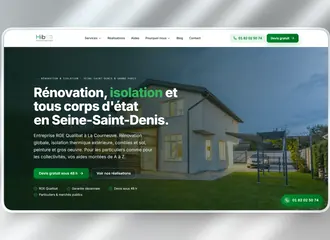
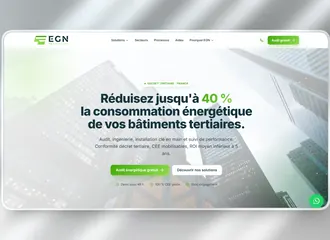
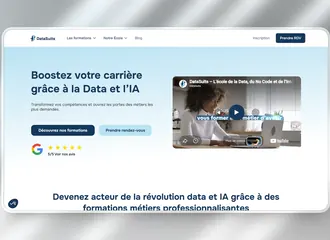
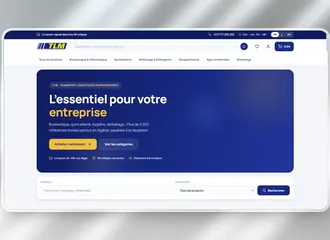
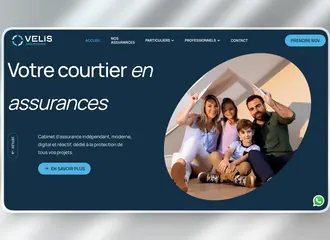
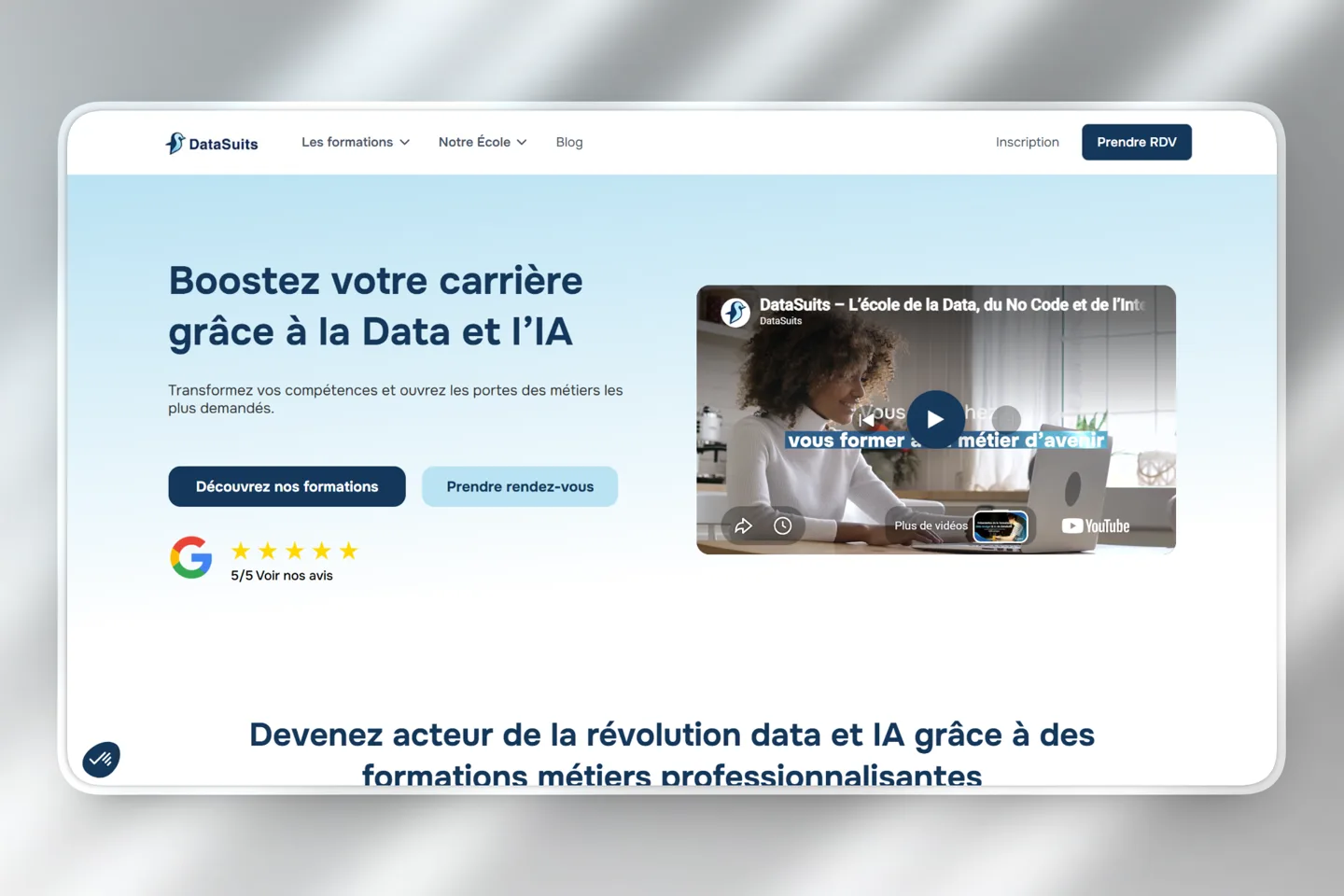
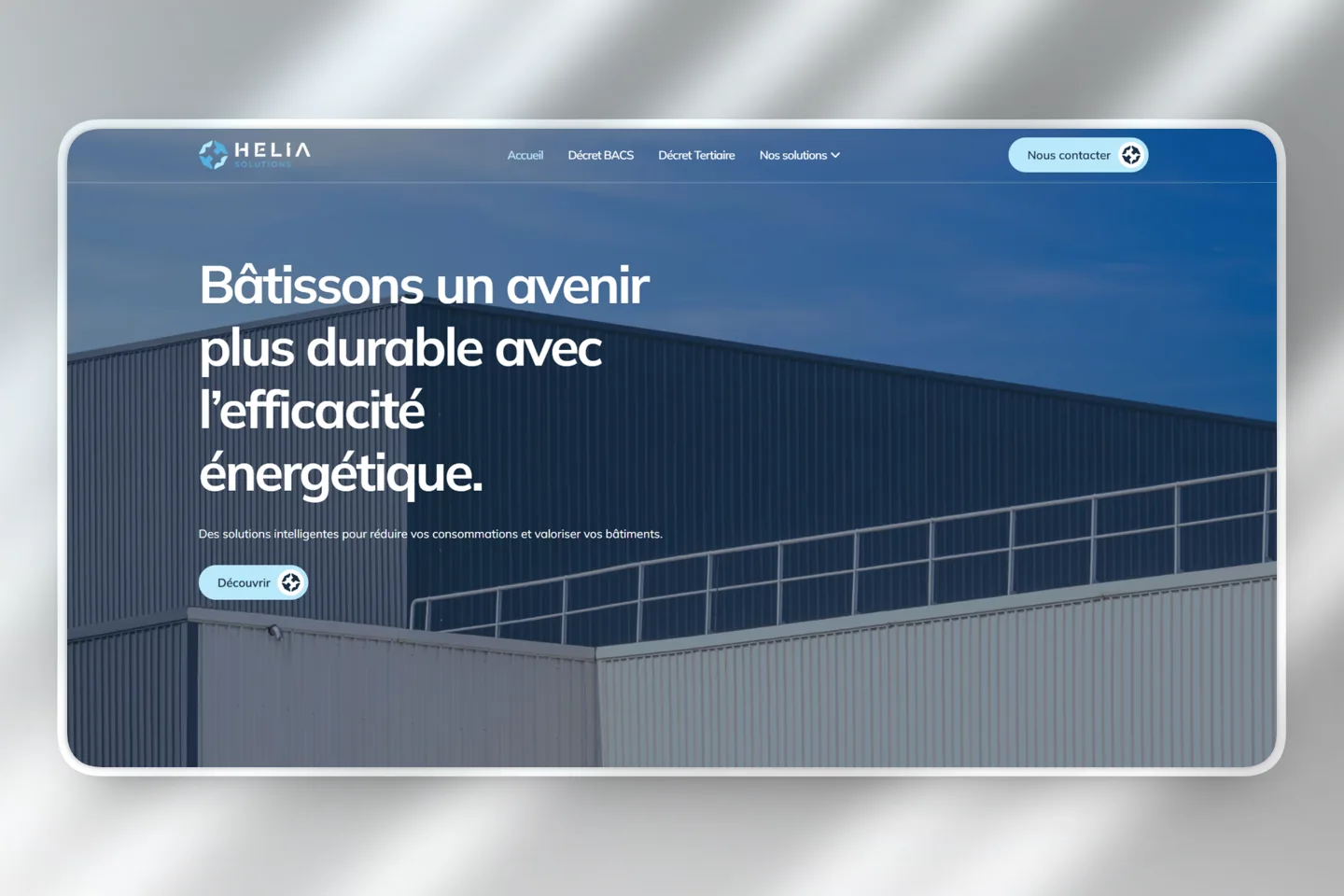
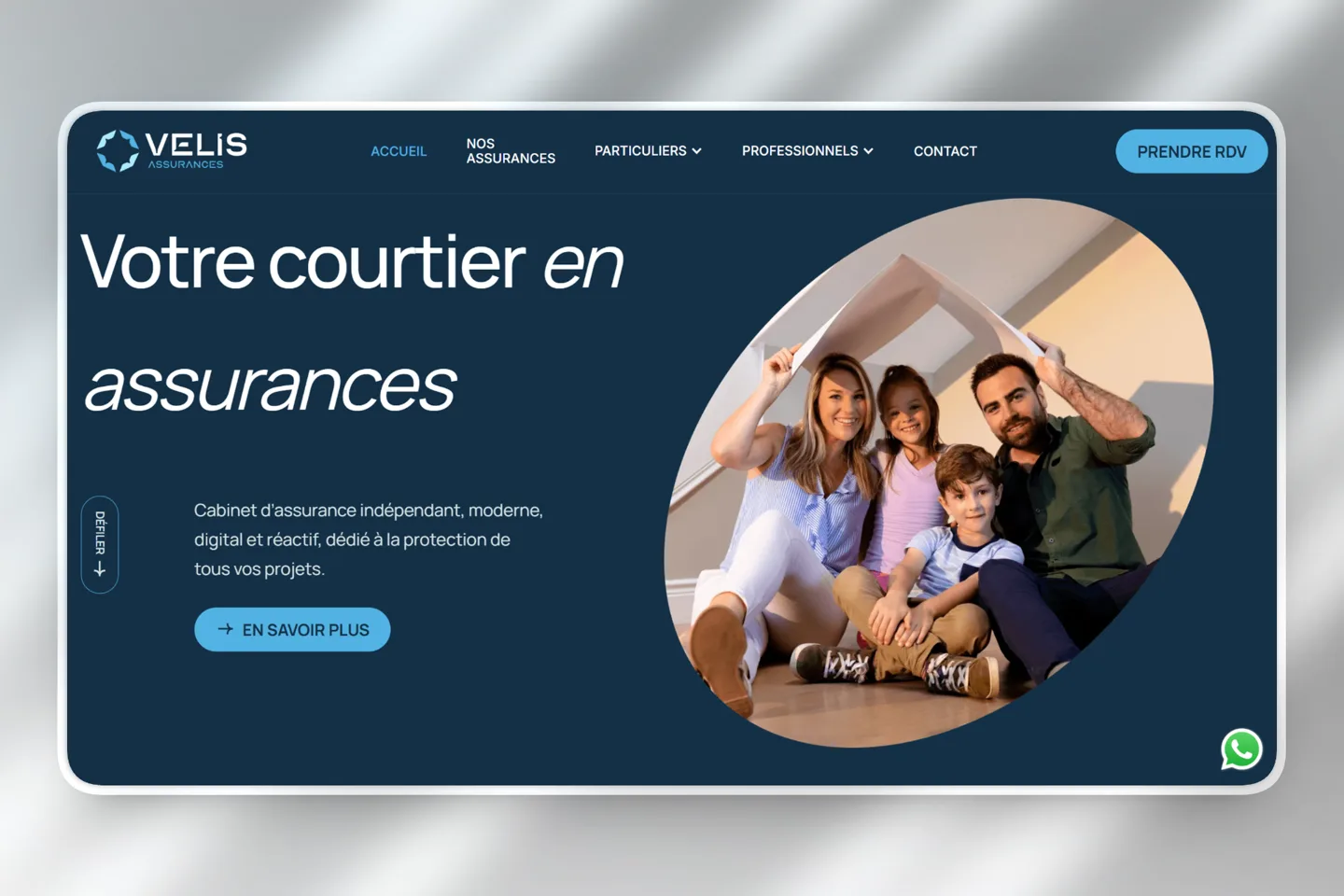
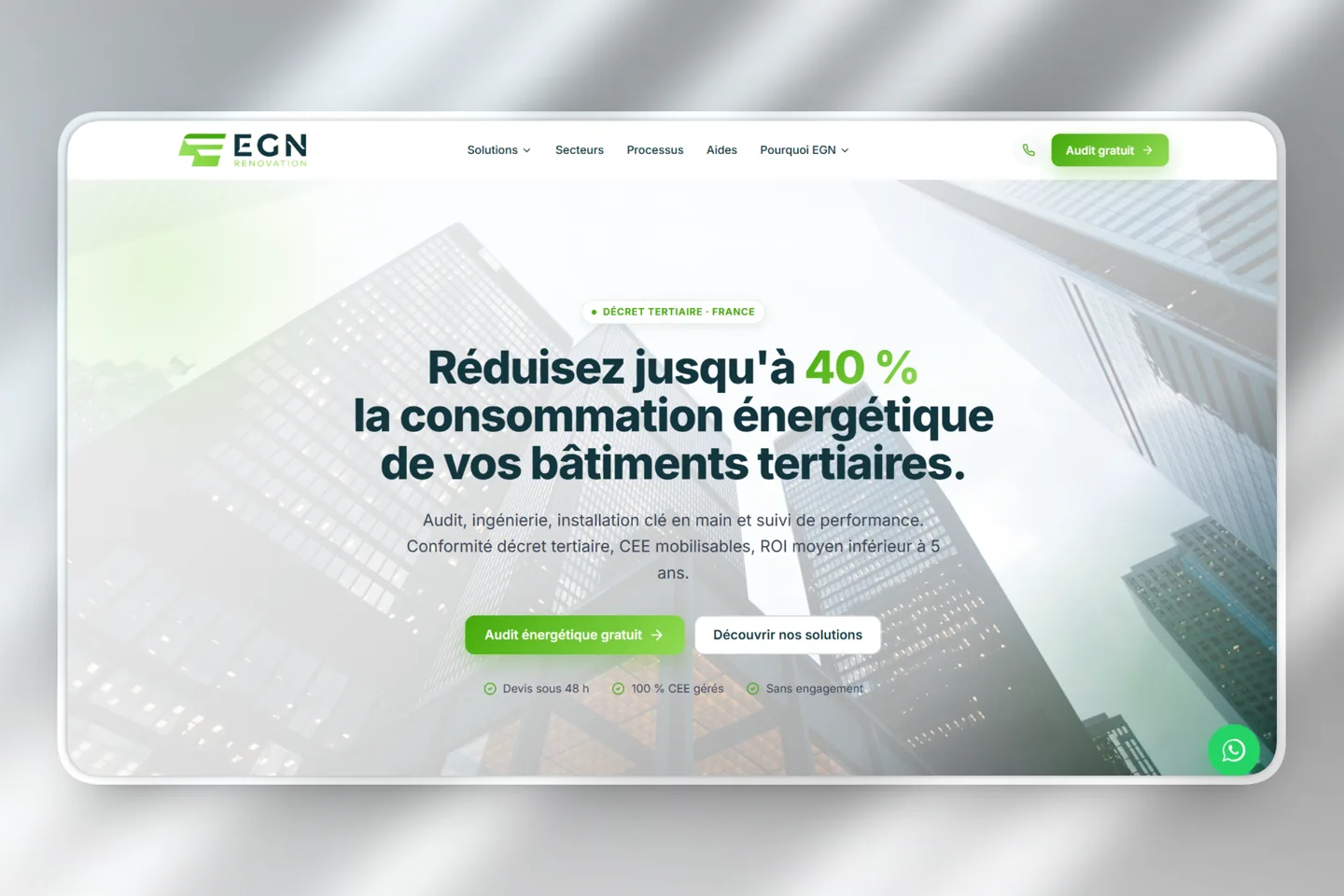
Ask for a website you can visit and clarify the designer's contribution: page structure, copy, design, development, or ongoing support. Several people may have worked on the same project. You need to know which tasks the person you are speaking to can handle and would take on for you. Then connect their explanation to specific things you can see on the website.
France Num recommends reviewing completed projects and speaking to previous clients. Go a step further: 'On this page, what did you change, why, and who did the rest?'
Table 1: what each piece of evidence can actually establish
| Evidence shown | What you can check | What it does not establish on its own |
|---|---|---|
| A live website | The work currently visible. | Who did that work. |
| An account of their contribution | The tasks they claim to have done and can explain. | Whether they handled every other task. |
| A conversation with a previous client | That client's experience of the work and support. | The same outcome for your business. |
| An official business registration entry | The identity of the business concerned. | The quality of its work. |
A portfolio project becomes useful evidence when the designer's role is clear. A previous client can confirm that role if they agree to be contacted. Their being unavailable does not establish fraud: ask for another client who has agreed to act as a reference, or mark the point as unverified.
To check the business's identity, the service described on Service Public's page about France's official business register lets you check public legal information. Ask for the business identification number and compare it with the name of the business that will invoice you.
What should you ask to see in a demonstration?
Ask the designer to walk through a task relevant to your needs on an existing project or a demo site. For a contractor, that could mean finding a service, checking the area covered, and getting to the contact options on a phone. Also ask how information will be updated after handover under the proposed arrangement. This gives you a practical demonstration of the work and how it functions.
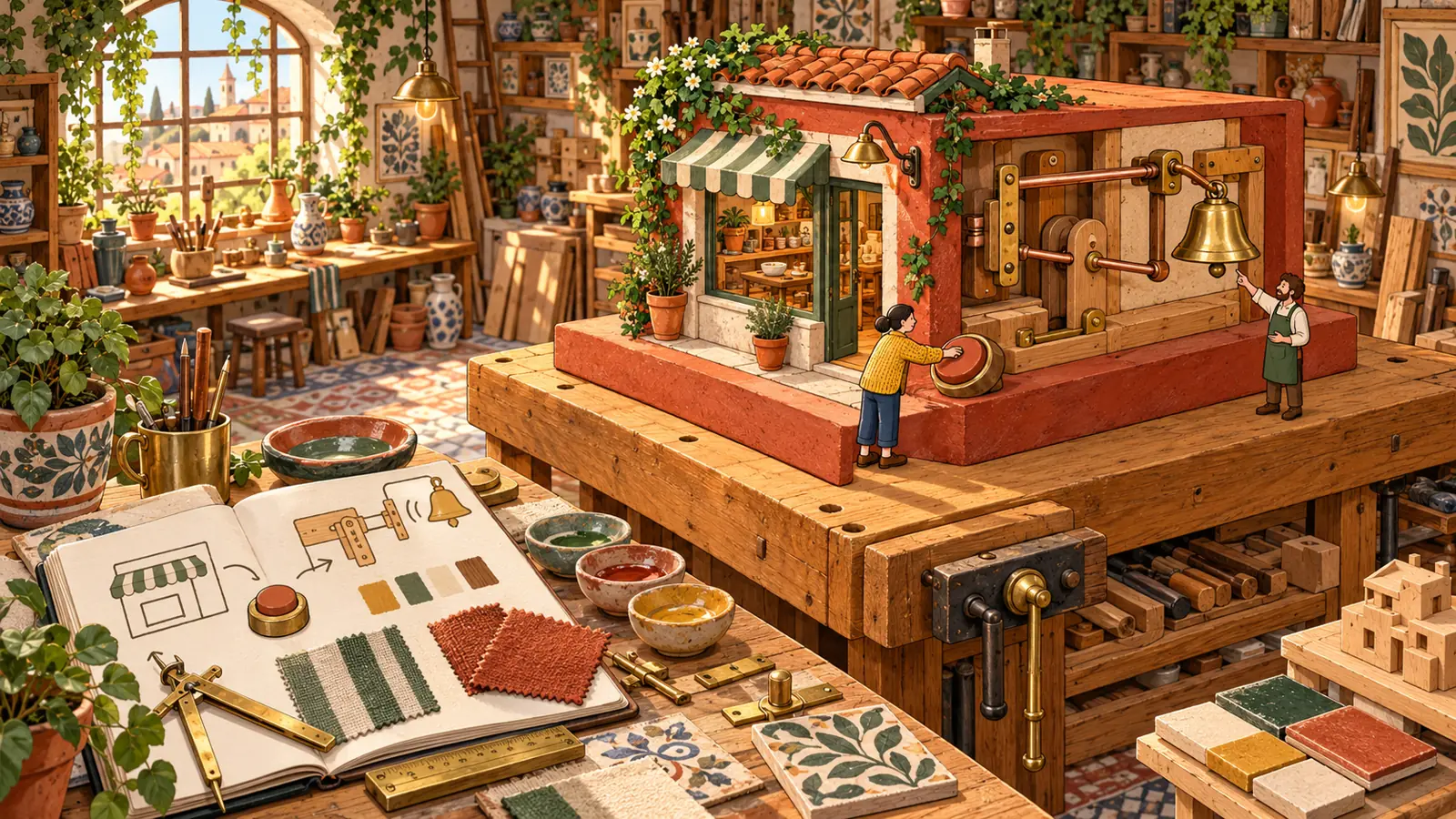
You do not need to ask for a free mockup of your future website. Choose an example that already exists and ask the designer to walk you through it:
- Understanding a service: where can visitors find the service details, any limits, and a completed project that illustrates it?
- Getting in touch: what steps does a visitor take on a phone, and why was it designed that way? Do not send any messages to an actual client during the demonstration.
- Adding a photo: ask to see the change on a test site, or find out who will make it if you will not be editing the website yourself.
- Fixing an error: who receives your report, how should you describe the problem, and who fixes it?
The demonstration should show what you will actually be able to use. A feature shown on another project may not be part of your proposal. Have its inclusion confirmed before assuming you will get it.
Good to know. A test site can use fictional contact details. If the provider processes personal data on your behalf, such as messages from a form, France's data protection authority, CNIL, calls for an appropriate contract covering the service and its security. Ask who will have access to the messages; a demonstration does not require showing another business's messages.
Tell me about your business and what your customers need to do on your website. My completed projects can provide concrete examples to discuss the choices for yours.
5.0/5 on Google · 16 reviewsHow should you assess promises about search visibility and support?
Distinguish the work the designer can deliver from the business results they hope it will produce. They can describe the service pages they will create and their approach to monitoring performance. A guaranteed position on Google is not a credible promise. To understand support after handover, ask for an example of a change request and how it would be handled for you.
Google states that nobody can guarantee a number-one ranking. Its guide covers choosing a specialist in search engine optimization, the work involved in improving visibility in search engines. Building a website and providing that ongoing work are separate services. Ask what each includes.
- 'You will be visible': which pages will be delivered, for which services, and for which areas you actually cover?
- 'This website brings in customers': over what period, based on what evidence, and with what distinction between visits and inquiries received?
- 'I will be available': who will respond, through which channel, and under what agreed commitment?
A portfolio website ranking well for a search does not establish that its designer achieved that position. Others may have worked on it since. Ask what the designer personally did and what they can document, without requesting confidential data.
A clearly explained limit is worth more than an unverifiable result. An honest answer might be: 'I build the pages; ongoing search visibility monitoring is not included.' You then know what you are buying.
How can you keep comparable notes from each conversation?
Fill in the same worksheet after each conversation. Record what you were shown, what was only claimed, and what remains unanswered. This lets you compare facts without assigning an artificial score to your overall impression. An important unknown calls for a follow-up answer; a lack of information does not turn it into a proven fault.
In the France Num guide, Christine Burguin explains the purpose of a project brief:
"allows you to compare providers' proposals"
Christine Burguin, France Num (translated from French)
This worksheet records your observations; any agreed commitments then need to be put in writing.
Copy this interview worksheet and fill it in for each web designer
| Point reviewed | What you saw or received | What still needs confirming |
|---|---|---|
| Name, business, and date of the conversation | ____ | ____ |
| Project shown and exact contribution | ____ | ____ |
| Task demonstrated on a phone | ____ | ____ |
| Feature included in my proposal | ____ | ____ |
| Person responsible and support after handover | ____ | ____ |
| Stated limit or evidence still needed | ____ | ____ |
Keep a record of the evidence as well as the promise. A page address, a date, and a written answer let you return to the specific point. Portfolio websites may change after your conversation.
When you are ready to review the proposed contract, use the guide to comparing website quotes. The contractor website pricing guide covers the budget separately.
What else should you ask before choosing?
The type of business, the industries in its portfolio, and its experience give you useful context. None is enough on its own to make the decision. Always return to the work shown, the person's contribution, and the commitments offered for your own project.
What should guide your decision?
Base your choice on work you understand and clearly assigned responsibilities. If essential information is missing, ask a specific follow-up question before committing. These criteria apply regardless of the size of the business or how impressive its client list looks. Apply the same standards to everyone you speak to.
Table 2: use the answers to make your decision
| Question | Key point | Pitfall to avoid |
|---|---|---|
| Can you identify their contribution? | Connect a portfolio project to the work they actually did. | Crediting them with the entire project without checking. |
| Does the demonstration address your needs? | Confirm which features are actually included. | Assuming an example feature is part of what you are buying. |
| Is it clear what happens next? | Identify who builds the site, responds, and handles problems. | Relying on a spoken promise of availability. |
A sound choice rests on evidence you can refer back to. You can browse my completed business websites and my website design service for contractors. To clarify your needs and which examples to look at, tell me about your project.
Founder of DevDream, a web and AI workshop for contractors and small businesses in Villeneuve-la-Garenne, near Paris, France (92). I build websites and set up automation around the tools small businesses use.
Follow me on LinkedIn →
Choose based on real examples.
Tell me about your business, the pages your customers need, and how you expect the website to work after handover. You can then compare those needs with my completed projects.
Discuss my project →